Ilina Singh
Principal Investigator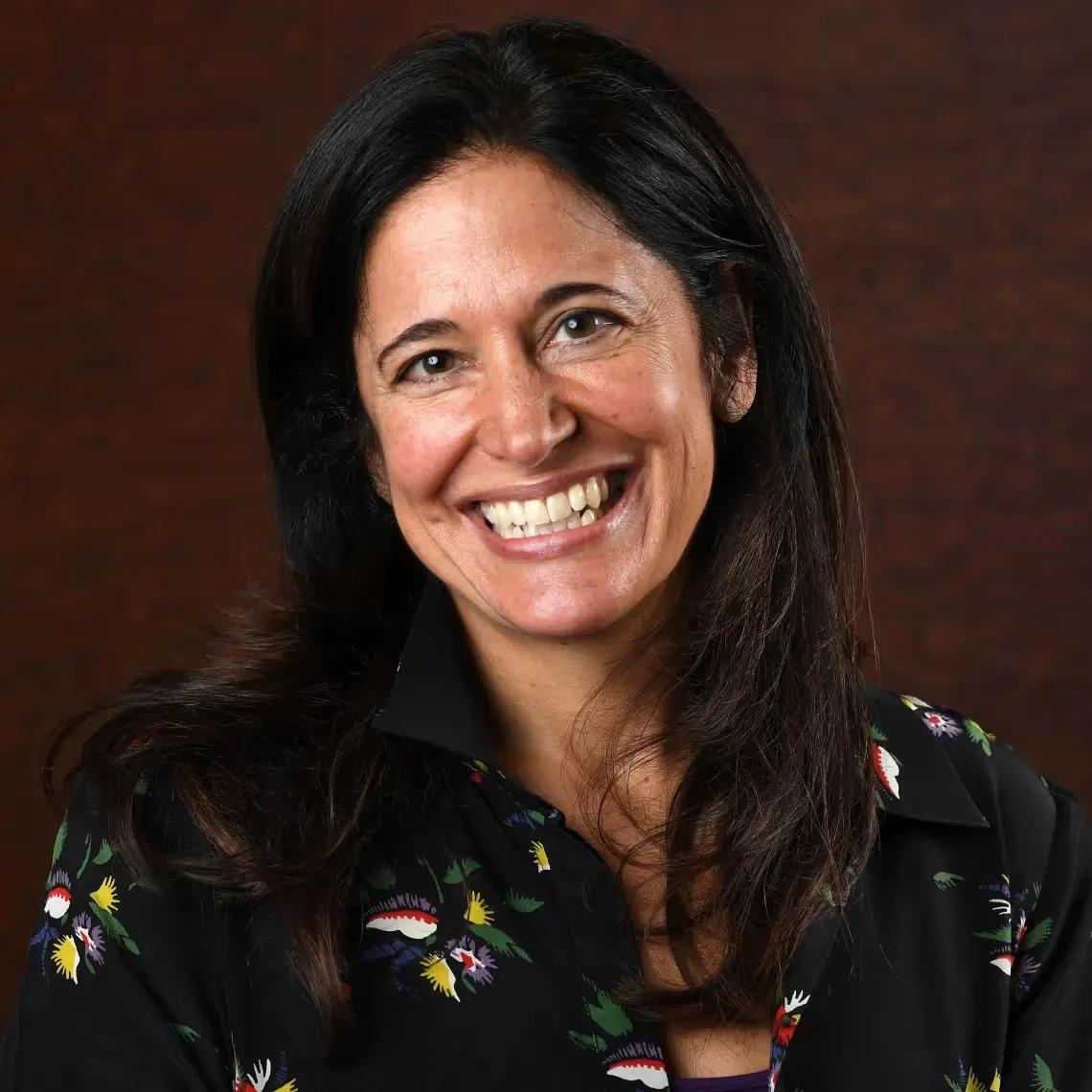
Ilina holds a doctorate in human development and psychology from Harvard University, and over the past decade she has added to these foundations through extensive work in bioethics, methods innovation, and sociology. She brings this interdisciplinary perspective to her current research through an approach known as empirical ethics. At present, my team's major research projects encompass: nature-based interventions for flourishing and wellbeing; AI and digital mental health ethics; and global mental health ethics.
Much of Ilina's work reflects a longstanding commitment to bringing the first-person experiences of children and young people into ethical evaluation, clinical decision-making and policy-making. Her team has pioneered participatory methods for co-design and co-production with young people, qualitative and quantitative methods, mobile technologies and digital games.
Current Projects
Ilina is a co-principal investigator for the Oxford Wellcome Platform for Transformative Inclusive Bioethics (ANTITHESES), where she leads the Design Bioethics Lab on the neuroethics of new forms of collective and collaborative decision-making, including swarm and hive minds, brain-computer interfaces, and novel AI technologies. Her team also contributes to work on global genomic ethics through our global mental health ethics programme. We are funded for various projects through a partnership with the Stanley Centre, Broad Institute of Harvard and MIT; British Academy; Global Challenges Research Fund, Africa-Oxford Initiative, and others.
She leads the Oxford Human-Nature Health research project. This research aims to discovers if, how and why ‘nature’ supports human mental health and wellbeing. In our research process, we intentionally look to re-connect humans with the natural world, and we investigate how and why that re-connection is good for humans and good for the planet.
She is a co-investigator on a Wellcome Discovery Award (PI Prof Argyris Stringaris, UCL) where her role is to investigate the ethics of 'surprises' (or expectancy violations) in therapies targeting severe social anxiety. Wellcome Trust Surprises Project
Past projects include: A Senior Investigator Award from the Wellcome Trust for a project entitled: Becoming Good: Early Intervention and Moral Development in Child Psychiatry, 2015-2020. This project follows on from a Wellcome Trust University Award for VOICES: Voices on Identity, Childhood, Ethics & Stimulants: Children join the debate. We have added significantly to innovative methods in working with young people. A Wellcome Trust Enrichment Award enabled us to create a bioethics game on mental health digital phenotyping: www.tracingtomorrow.org
She led the UK Ethics Accelerator for Pandemic Emergencies, funded by the UKRI Covid-19 Rapid Response Call, involving 5 UK institutions and 9 leading UK bioethicists as Co-Directors, along with 6 postdoctoral fellows and the Nuffield Council of Bioethics as a key partner. A project funded by the Duke of Westminster Foundation for a trial of a peer-support intervention for mental health and wellbeing, aimed at the challenges faced by adolescents during the epidemic crisis.